Biodiversity conservation: understanding the urgency and taking action at your own level.
Biodiversity conservation encompasses all the actions taken to protect animal and plant species, their habitats and the ecosystems on which life on Earth depends. Faced with accelerating biodiversity loss, governments, NGOs, scientists, zoos and individuals all have a role to play. Breeding endangered species, creating protected areas, reintroducing animals into the wild and raising awareness are just some of the many ways to take action.
At ZooParc de Beauval and through its association Beauval Nature, protecting biodiversity is a daily commitment. Here is an overview of the challenges, the threats and the practical steps we can all take to help.
Key points to remember
- Biodiversity refers to the diversity of life at three levels: genes, species and ecosystems.
- Five major threats are accelerating biodiversity loss: habitat destruction, overexploitation, climate change, pollution and invasive alien species.
- Modern zoos contribute mainly through ex situ conservation breeding, funding in situ conservation and scientific research, while reintroductions remain less common.
- Since it was created in 2009, Beauval Nature has supported more than 140 conservation and research projects around the world.
- Everyone can take action by creating wildlife-friendly gardens, consuming responsibly, supporting conservation organisations and taking part in citizen science.
What exactly is biodiversity conservation?
Biodiversity, or biological diversity, encompasses all living things and the relationships between them. Protecting biodiversity means slowing its decline and maintaining viable species populations within functioning natural habitats.
This is vital because animals, plants and microorganisms are essential to life, including human life. They provide crucial ecosystem services such as pollination, water purification and climate regulation.
The three levels of biodiversity we need to protect
Biological diversity exists at three interconnected levels.
Genetic diversity refers to variations within a single species and determines its ability to adapt. Species diversity describes the variety of species, from the many animal species found at Beauval to plants and fungi. Finally, ecosystem diversity encompasses the variety of natural environments, from tropical forests to wetlands.
Protecting biodiversity means taking action at all three levels.
In situ and ex situ conservation: what’s the difference?
In situ conservation protects species directly within their natural habitats, through measures such as protected areas, habitat restoration and anti-poaching initiatives.
Ex situ conservation takes place outside a species’ natural habitat. Zoos, seed banks and gamete banks can maintain safeguard populations that help preserve species and their genetic diversity.
These two approaches are not mutually exclusive. They complement one another. This principle lies at the heart of the One Plan Approach, a strategy that coordinates in situ and ex situ conservation for the same species. In some cases, animals cared for and bred in zoos may ultimately contribute to strengthening wild populations.
Why is biodiversity declining? 5 major threats
Scientists have identified five main direct drivers of biodiversity loss. They often interact and reinforce one another. Understanding them helps us identify the most effective conservation measures.
- Habitat destruction and fragmentation. Deforestation, intensive agriculture and urban development destroy natural habitats. This is currently the leading cause of species loss on land.
- Overexploitation of natural resources. Poaching, overfishing and wildlife trade remove animals and plants faster than nature can replenish them. Marine species, particularly fish, are among the most affected.
- Climate change. Rising temperatures are shifting species distributions, disrupting reproductive cycles and weakening entire ecosystems, from coral reefs to polar ice.
- Pollution. Plastics, pesticides, nitrates and light pollution contaminate water, soil and air, with knock-on effects throughout food chains.
- Invasive alien species. Introduced by humans, intentionally or accidentally, as a result of global trade and travel, these species compete with or prey on native wildlife and disrupt ecosystems, particularly on islands.
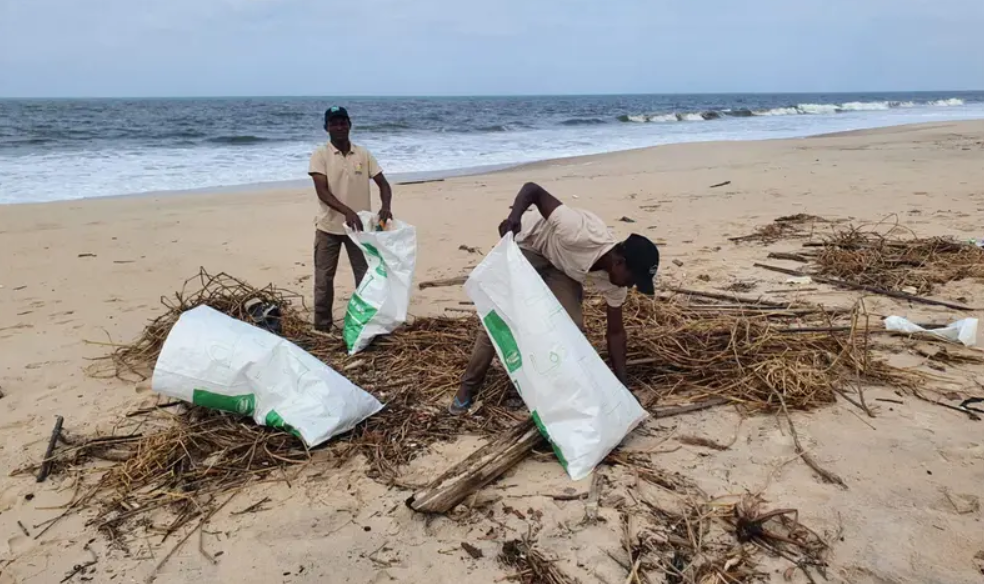
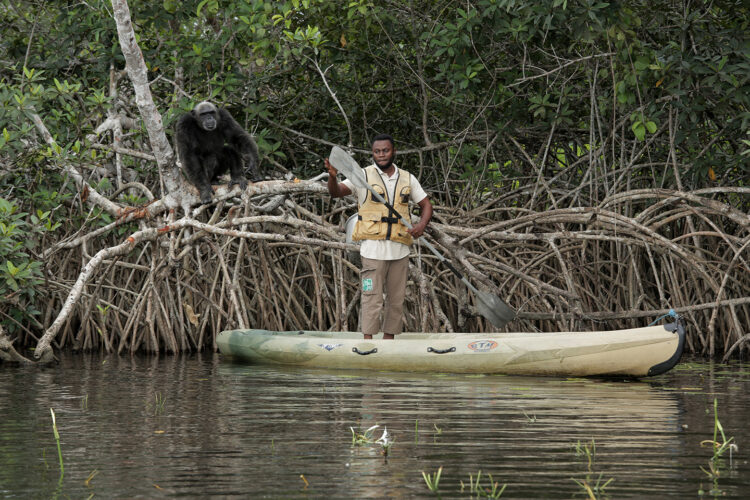
The ‘Clean and Protected Beaches’ project in the Congo, run by the Help Congo association and taken over by Beauval Nature
The role of zoos in species conservation
Modern zoos have become recognised contributors to conservation. Working together through international networks, they raise public awareness and coordinate efforts to protect endangered species.
Their work is based on several key areas: long-term conservation breeding, funding in situ conservation, scientific research and, when appropriate, reintroducing animals into the wild.
Book my visit to ZooParc de Beauval
Conservation breeding and scientific research
Zoos participate in coordinated European breeding programmes known as EAZA Ex situ Programmes (EEPs). Births are carefully planned to preserve genetic diversity and minimise inbreeding.
These populations can provide an important safety net for many endangered species, including the chimpanzee.
Beyond breeding, zoos also fund conservation projects in the field and contribute to scientific research, two essential components of species conservation.
Reintroduction: a valuable but relatively rare conservation tool
Reintroduction is an important conservation tool, but it is used relatively rarely by zoos. Successful reintroduction requires suitable and restored habitat, the right conditions for release and long-term scientific monitoring.
When these conditions are met, animals from ex situ conservation programmes can help strengthen or re-establish wild populations.
In 2024, Paradiso, a bearded vulture born at Beauval, was released into the wild in the Swiss Alps. Other animals born or cared for at Beauval have also been involved in reintroduction programmes over the years, including two female Javan langurs, two female gorillas, two bearded vultures, an Andean condor and snails from the Desertas Islands.
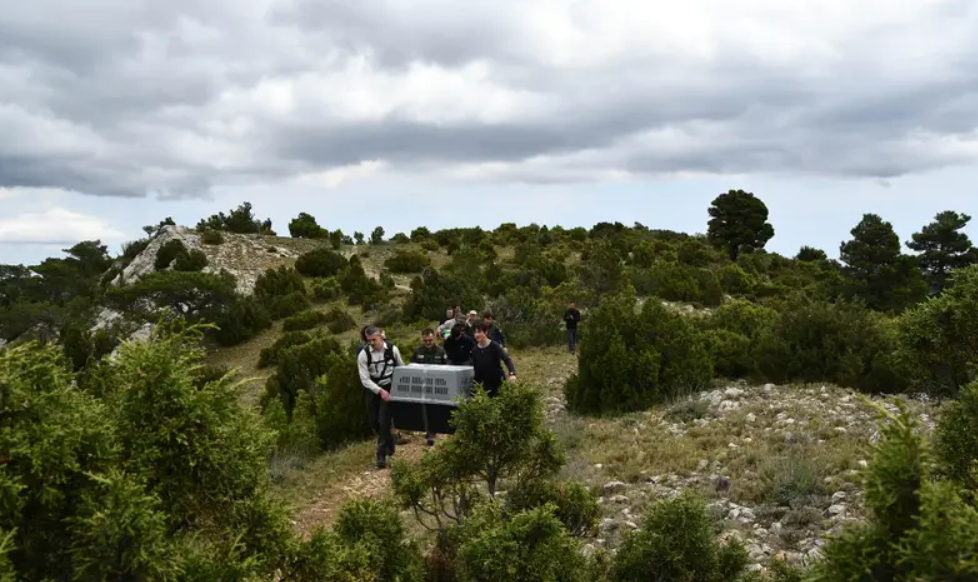
Release of a bearded vulture – Breeding, reintroducing and monitoring bearded vultures for their conservation – France Programme – Beauval Nature Association
Beauval Nature: how ZooParc de Beauval helps protect biodiversity
Created by ZooParc de Beauval in 2009, Beauval Nature embodies the ZooParc’s commitment to protecting species and their habitats.
Through Beauval Nature, Beauval is a member of the IUCN and aligns its work with international conservation standards. In 2025, the association received €3.2 million in financial, in-kind and skills-based donations to support its conservation, research and awareness-raising missions.
Find out more about Beauval Nature’s work
Supporting conservation programmes in the field
Beauval Nature supports more than 140 conservation and research programmes around the world.
In the Republic of the Congo, within Conkouati-Douli National Park, it leads the HELP Congo programme, which protects, cares for and reintroduces chimpanzees while also working to protect other species in the area, educate local communities, support reforestation and develop initiatives such as beekeeping.
In France, the Beauval Nature – Françoise Delord Care Centre for local wildlife takes in and treats injured native wildlife, with the aim of releasing animals back into the wild whenever possible.
These are just some of the practical actions being taken to protect biodiversity.
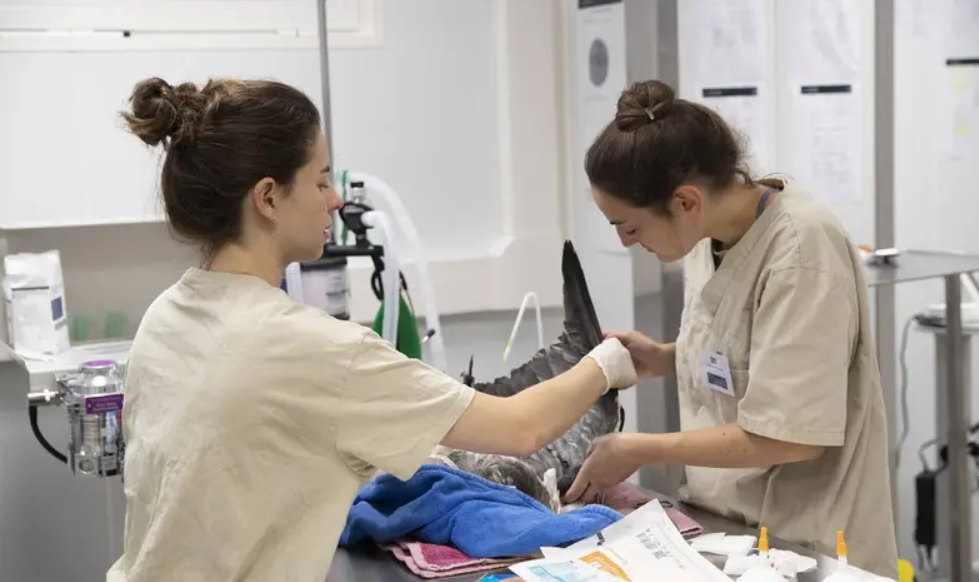
Veterinarian and volunteer examining a grey heron on the operating table at the Beauval Nature Care Centre
Raising awareness among millions of visitors every year
With almost 2 million visitors each year, ZooParc de Beauval has the opportunity to reach a huge audience.
Its educational approach helps turn a visit into an opportunity to learn and raise awareness. Educational signs, activities and immersive experiences explain the threats facing species and the measures being taken to protect them.
Raising awareness is a conservation tool in its own right: we are better able to protect what we understand.
6 everyday ways to protect biodiversity
Protecting biodiversity is not solely the responsibility of governments and organisations. There are many simple actions we can take in our everyday lives to reduce our impact and help protect wildlife.
Here are six ways to get started:
- Make your home more wildlife-friendly: Plant native species, install an insect hotel or simply leave part of your garden to grow wild to provide food and shelter for a variety of species.
- Consume responsibly: Choose local and seasonal products, avoid products derived from endangered species and opt for sustainably produced palm oil to help reduce your impact on ecosystems.
- Reduce pesticide use: Whether you have a garden or a balcony, limiting chemical products helps protect pollinators, soil biodiversity and water quality.
- Support a conservation organisation: Donating or sponsoring an animal provides direct support for conservation programmes and field projects.
- Reduce your everyday footprint: Cutting down on energy use and plastic consumption can help reduce pressures on biodiversity, particularly those associated with climate change and pollution.
- Observe and share: Taking part in citizen science programmes, observing nature and sharing what you learn all contribute to improving our understanding of biodiversity and raising awareness among others.
Want to go further? Sponsoring an animal at Beauval is one of the most direct ways to support species conservation. Individual donations are eligible for a 66% tax reduction in France, subject to applicable tax rules.
Frequently asked questions
What is the difference between biodiversity and an ecosystem?
Biodiversity refers to the variety of life, including genes, species and ecosystems.
An ecosystem is a community of living organisms interacting with one another and with their physical environment, such as a forest or a pond. Ecosystems are therefore one level of biodiversity, providing the environments in which species live and interact.
Can a zoo really help protect biodiversity?
Yes. Modern zoos manage conservation breeding programmes, fund conservation projects in the field and contribute to scientific research.
They can also take action locally. ZooParc de Beauval is an LPO Refuge, installs nesting boxes and manages its grounds with local biodiversity in mind. Through Beauval Nature, it supports conservation and research programmes around the world and raises awareness among millions of visitors. Beauval Nature’s English website also highlights Beauval’s LPO Refuge status and its work to protect local wildlife.
Which species are most threatened today?
Many different groups are affected, and there is no simple hierarchy. These include amphibians, corals and other marine species, pollinators such as bees, as well as primates, big cats, rhinoceroses and pangolins.
Many of the causes overlap, including habitat loss, poaching and climate change. The IUCN Red List assesses the conservation status of species, with categories ranging from “Vulnerable” to “Critically Endangered”, among others.
How can I actively support a conservation programme?
There are several ways to get involved. You can sponsor an animal, donate to an organisation such as Beauval Nature or support conservation projects during your visit.
You can also take action locally by adopting wildlife-friendly habits and joining citizen science programmes in your area.
Protecting wildlife: a shared commitment
Protecting biodiversity relies on action at every level, from international agreements and public policy to the choices we make in our everyday lives.
Zoos have a distinctive role to play through conservation breeding, funding field conservation, scientific research and public awareness.
Through Beauval Nature, Beauval is also part of major international conservation networks. Beauval Nature is a member of the IUCN, the International Union for Conservation of Nature, and contributes to the work of its Species Survival Commission.
By supporting Beauval Nature or planning your visit to ZooParc de Beauval, you can play a part in this shared mission.
Every action counts when it comes to protecting the living world.