Science Dating: a highly informative first edition
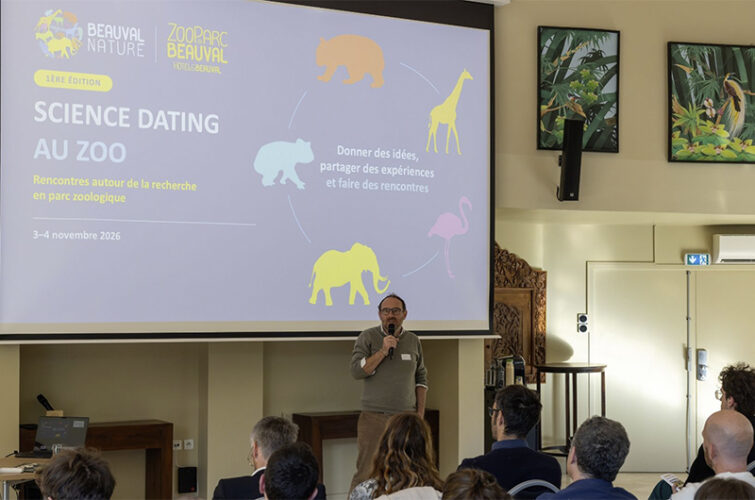
As provided for by the legal framework, scientific research forms an integral part of zoos’ remit. For many years, zoos, scientists and researchers have been generating knowledge and advancing research, always in the service of biodiversity.
A study conducted by Karim Chebaro provides an overview of collaborations between zoos and academic research in France over the period 2001–2022. It reveals a genuine upward trend: scientific output linked to French zoos has increased by 9 per cent per year.
However, several obstacles to the development of research remain. These are most often due not to a lack of willingness, but to a lack of visibility and structured work.
Faced with the erosion of biodiversity, and aware of the need to improve research, it is essential that zoos strengthen their links with the academic world in order to fulfil their conservation, research and awareness-raising missions.
‘Science Dating at the Zoo’: research in zoos
It was for this reason that, on 3 and 4 November, the ZooParc de Beauval hosted the first edition of ‘Science Dating at the Zoo’ for zoo research, co-organised by Baptiste Mulot, Chief Executive of the Beauval Nature Association, and Antoine Leclerc, Director of Animal Health and Research at ZooParc de Beauval.
One key question drove the discussions: how can we do even better, together?
Several objectives guided the discussions:
- to build a network between zoo professionals and academic researchers,
- to encourage the sharing of experiences,
- to discuss ethical and regulatory issues,
- to disseminate ideas and exchange views on them.
Over the course of two half-days, 61 participants from nearly 35 organisations (research institutes, universities, zoos, etc.) came together in a spirit of openness and willingness to listen, to share their experiences and to foster new ideas and partnerships.
Through presentations and round-table discussions on the legal framework for research in zoos and intellectual property, as well as during informal exchanges, everyone was able to share their experiences, get to know one another and generate new ideas.
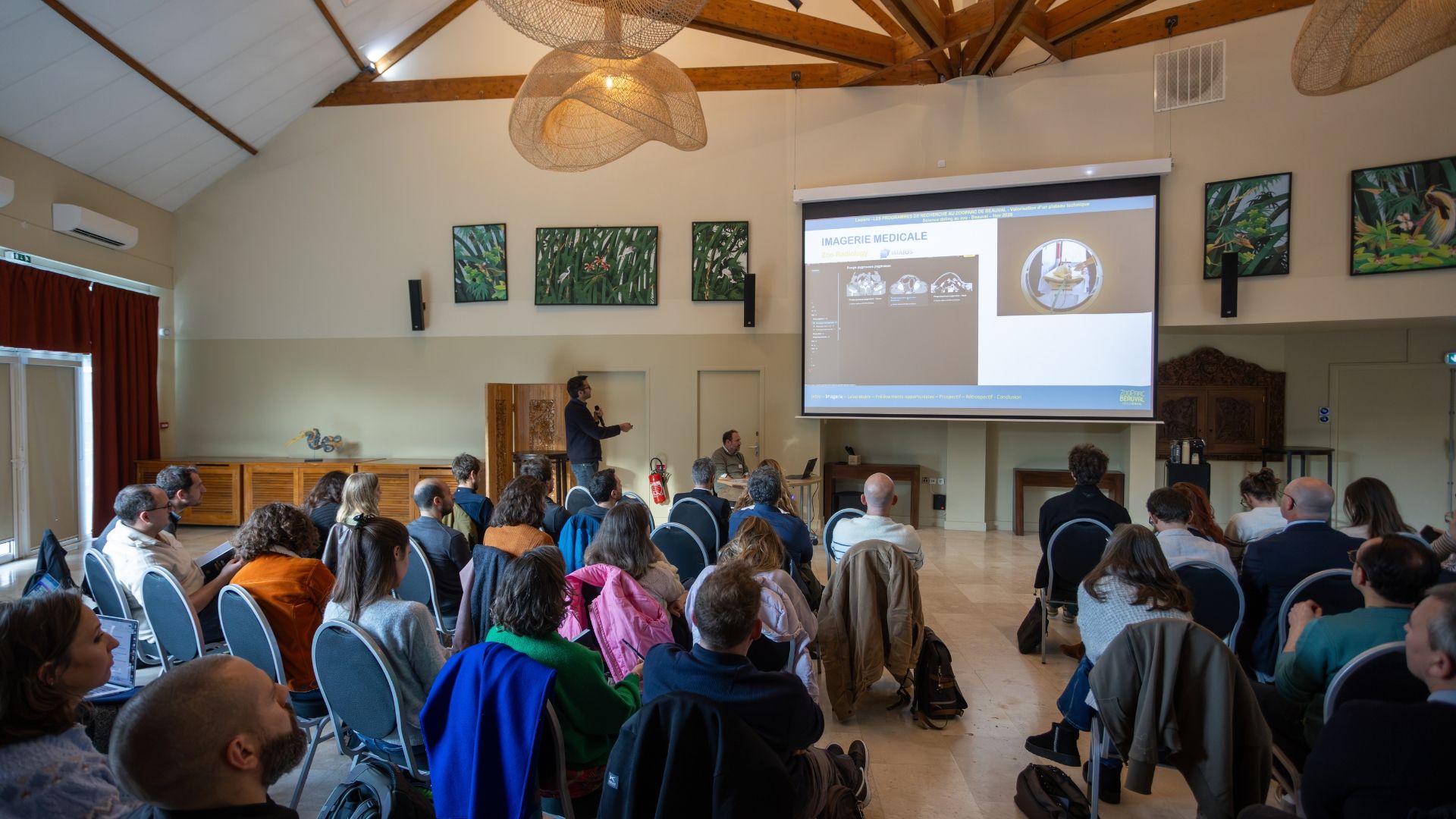
Antoine Leclerc presents the research programmes at ZooParc de Beauval
Understanding the challenges to foster collaboration
Drawing on the work of Karim Chebaro, Gilles Maurer, a researcher at Beauval Nature affiliated with the CEFE* laboratory at the University of Montpellier, provided an overview of zoo research in France. Long centred on animal health and veterinary medicine, research has gradually diversified into animal welfare, then into genetics, conservation and ecology.
This diversification has encouraged a rise in collaborations, with research growing by 9 per cent per year over the last 10 years. However, there is still room for improvement, as only 24 per cent of collaborations are initiated by zoos, whilst 72 per cent arise opportunistically.
Among the obstacles identified are protocols that are sometimes complex and concerns regarding animal welfare. These provide a starting point for taking action and improving the situation. Several avenues for action have emerged: co-developing projects from the outset, appointing a research liaison officer, jointly supervising students, sharing a common guide and making the most of existing contributions.
Discussions were continued with Élodie Chaillou, a research officer at INRAE, and Séverine Toussaint, a researcher at the CNRS, during the round-table discussion entitled ‘Conducting research in collaboration with a zoo within a partnership framework’.
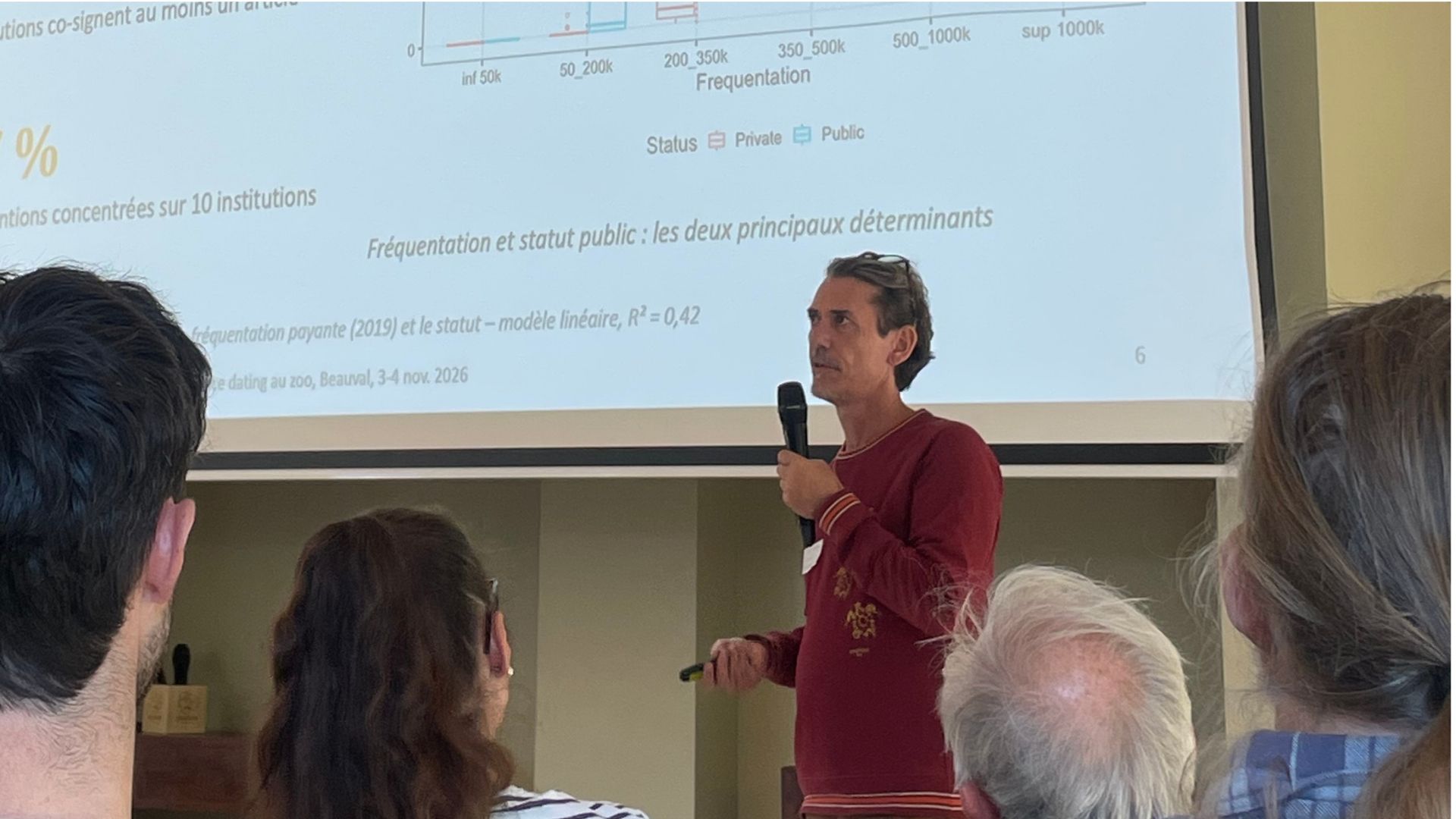
Gilles Maurer presents an overview of research in zoos
From ex situ conservation to in situ conservation
These collaborations take on their full significance in light of the missions of zoos, as highlighted by Benoît Quintard, director of the Mulhouse Zoological and Botanical Park.
Research in zoos plays a key role in ex situ conservation, that is, the preservation of species outside their natural habitat. Two elements are central to this:
- Coordination between institutions at European level through EAZA**, which is responsible for identifying priority species for conservation or reintroduction.
- EAZA’s ex situ programmes (EEPs), which coordinate the management of animal populations within zoos.
All the knowledge gained from these initiatives can then be channelled into in situ conservation, that is, the preservation of species in their natural habitats. This was explained in particular by Katia Ortiz, head of the veterinary department at the MNHN***, when she outlined the contributions made by the MNHN’s zoos to research, such as the Haute Touche Zoological Reserve.
One Health and biodiversity conservation
The third overarching theme of these two days was the One Health concept. This approach links human, animal and environmental health as three inseparable elements.
Let’s take a concrete example: the transmission of diseases from animals to humans.
Guillaume Desoubeaux, a researcher affiliated with the CEPR (INSERM)**** and the University Hospital of Tours, presented the ‘microMONKEY’ research project.
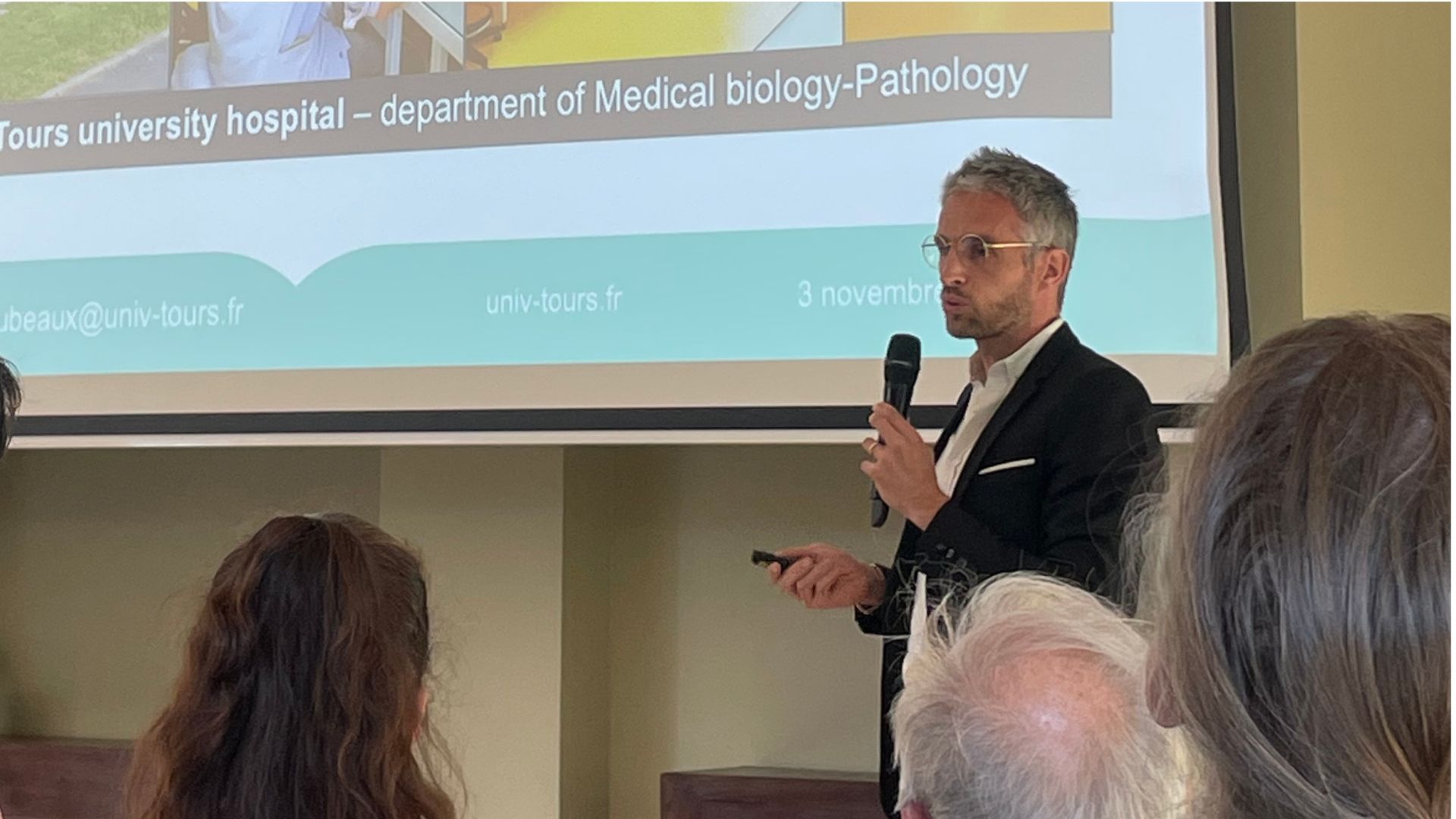
Guillaume Desoubeaux explains the links between animal health and human health
The project aims to study, in great apes, the epidemiology of microsporidiosis, a fungal infection that usually causes digestive disorders in humans and for which a significant reservoir is known to exist in domestic animals.
In 2025, a field mission in East Africa sought to understand where this pathogen circulates, collecting nearly 850 faecal samples. The aim was to anticipate risks to both animals and local communities by preventing any transmission of the pathogen.
Projects aimed at studying, analysing and protecting the health of wildlife contribute in one way or another to safeguarding human health and that of ecosystems. Beauval Nature and the ZooParc de Beauval are delighted to lead and support these initiatives.
Support research with Beauval Nature
New collaborations to advance research
All these links between zoo-based research and fieldwork highlight the value of strengthening collaborations between scientists, zoological institutions and conservation practitioners.
This first edition brought together a diverse range of research and fostered a positive dynamic between the academic world and practitioners. The meetings, discussions and ideas that emerged lay a solid foundation for future joint projects.
Next year will provide an opportunity to put these ideas into practice and to continue the work, discussions and knowledge-sharing around conservation and research.
Finally, we would like to thank the speakers and all those who took part in this event!
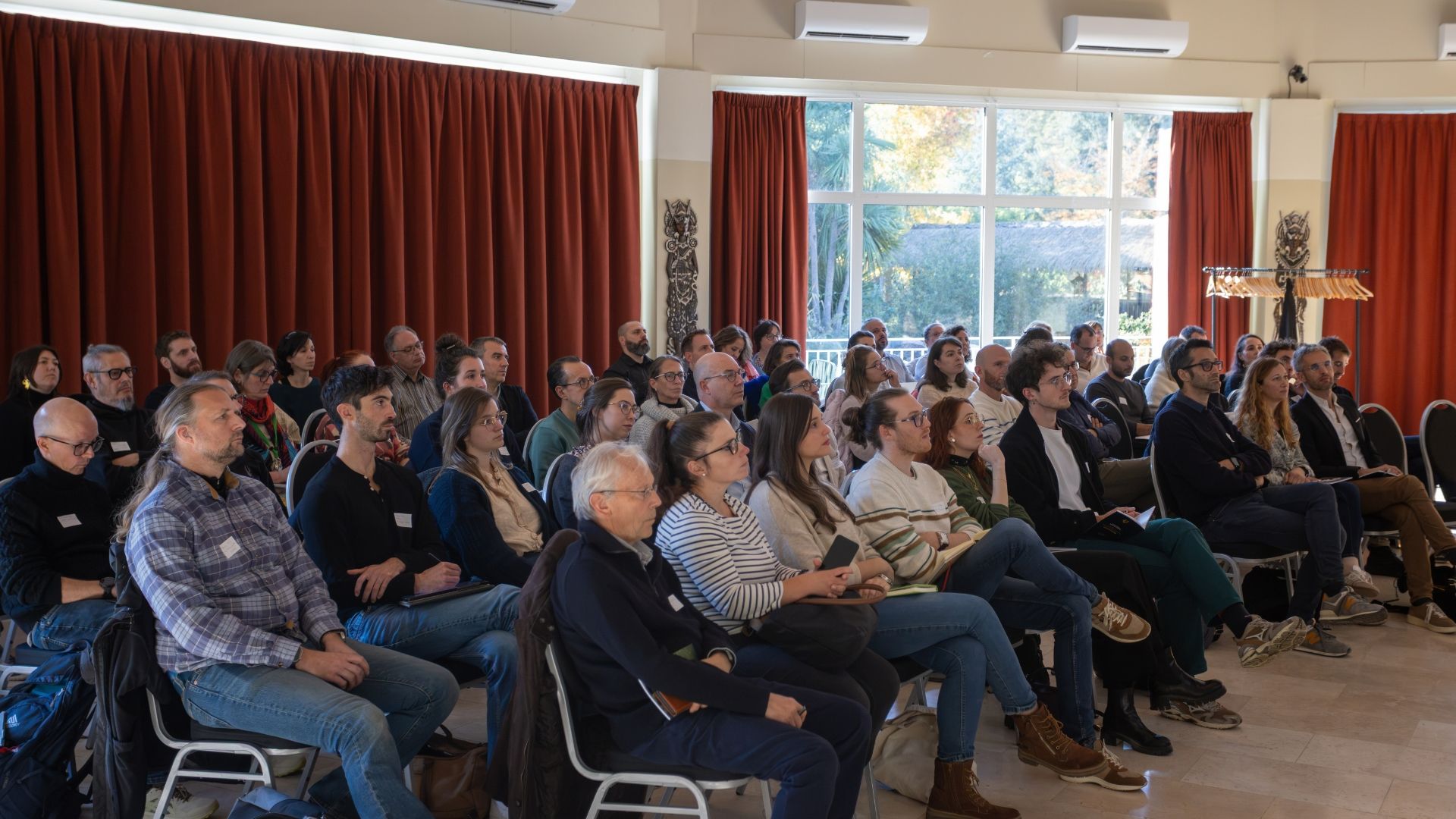
Participants at Science Dating 2026
* CEFE – Centre for Functional and Evolutionary Ecology
** EAZA – European Association of Zoos and Aquaria
*** MNHN – National Museum of Natural History
**** CEPR (INSERM) – Centre for the Study of Respiratory Diseases