World Lion Day: a king of the savannah in need of protection
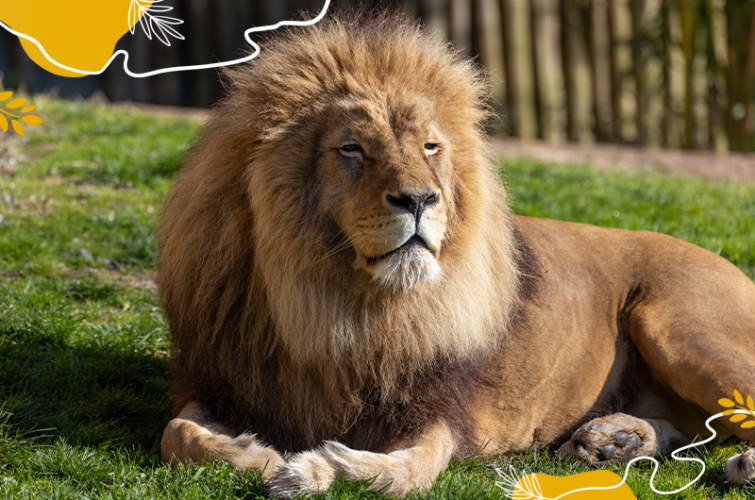
Its roar can be heard up to 8 kilometres away. Yet silence is gradually descending on certain parts of Africa where lions are disappearing.
Every 10 August, World Lion Day celebrates the African lion, one of the continent’s greatest predators. A symbol of power and wildlife, it plays a vital role in the balance of ecosystems, but today this iconic feline faces multiple threats that are causing long-term damage to its populations.
This day provides an opportunity to gain a better understanding of the challenges facing the species and to discover the practical measures being taken to ensure its conservation.
The lion, guardian of the savannah’s balance
The lion is Africa’s largest cat and the only one to live in permanent family groups, known as prides. Each pride consists of several related females, their cubs and one or more males responsible for defending the territory.
The lionesses carry out most of the hunting, whilst the males protect the group from predators and rival clans. Together, they play a vital role in the balance of African ecosystems by regulating the populations of large herbivores.
As a predator at the top of the food chain, the lion is considered an ‘umbrella’ species: protecting its territory also helps to preserve many other animal and plant species that share its habitat.
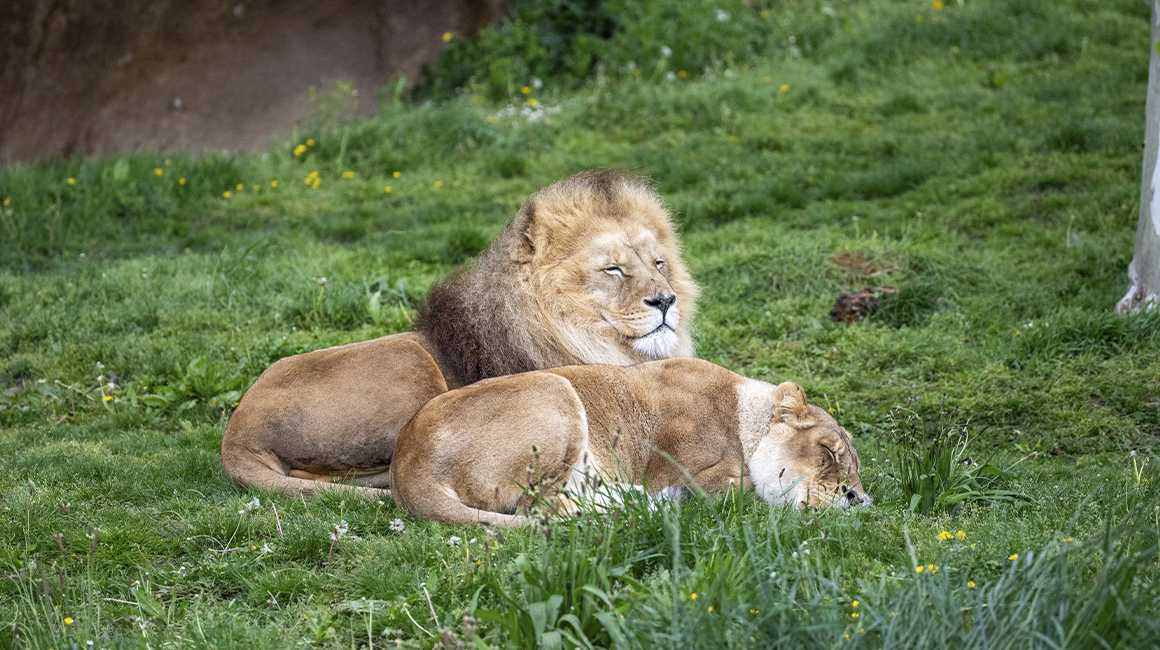
Krüger and Malawi, Beauval’s iconic pair
The African lion remains an endangered species
Lions today face numerous threats. The southern lion (Panthera leo krugeri), which can be found at ZooParc de Beauval, is classified as ‘Vulnerable’ on the International Union for Conservation of Nature (IUCN) Red List.
In the space of a few decades, lion populations have declined sharply. Today, the species occupies only a small fraction of its historical range, and the remaining populations are mainly concentrated in Africa’s large protected areas.
Conflicts with human activities are the main threat. In order to protect their herds, some livestock farmers kill lions that approach them. At the same time, the expansion of human activities is fragmenting natural habitats, reducing available territories and leading to a scarcity of prey.
Added to this are poaching, trophy hunting – which is still practised in some countries – and the illegal trade in body parts used in certain traditional medicines and ritual practices.
In the face of these challenges, conservation programmes play a crucial role in securing the species’ future. To preserve wild populations, numerous conservation programmes are being carried out across Africa. Beauval Nature is actively involved in several of them.
Beauval Nature supports lion conservation in Senegal
For many years, Beauval Nature has supported Panthera Senegal, which works alongside the authorities at Niokolo-Koba National Park to preserve one of the last populations of West African lions. This programme also benefits other iconic species, such as the western Derby’s eland.
The work carried out on the ground combines scientific monitoring, anti-poaching efforts and improvements to the park’s infrastructure.
The latest results are particularly encouraging. Thanks to 258 camera traps spread across more than 4,000 km², the teams have been able to reassess the lion population. Analyses now estimate the population at between 34 and 51 individuals aged over one year, confirming an increase in numbers.
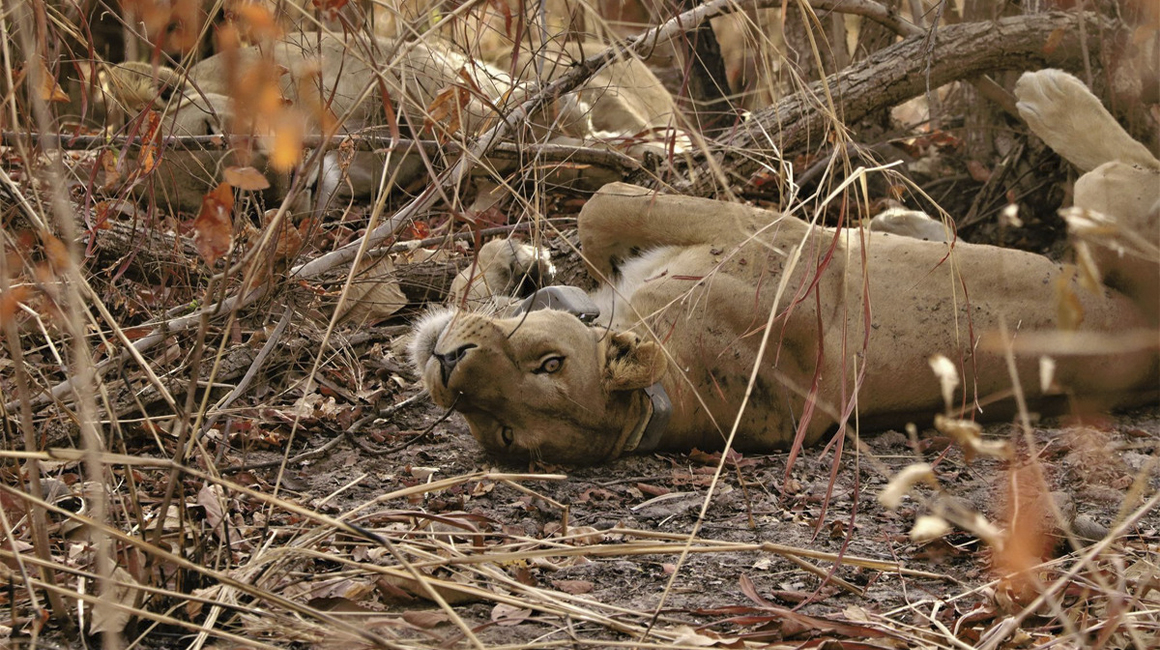
A lioness in Niokolo-Koba National Park fitted with a GPS collar ©Panthera
The park’s protection also relies on six mobile patrols, each comprising ten rangers. In 2025, their operations led to the arrest of 40 poachers and illegal gold miners, as well as the removal of 33 traps set to capture wildlife.
Funding from Beauval Nature also contributes to the repair and development of the infrastructure essential to the field teams’ operations.
The African lions at ZooParc de Beauval
At the heart of the Land of the Lions, a 5,000 m² enclosure inspired by African landscapes, visitors can observe Krüger, Malawi and their two daughters, Swaïli and Sabi. As they rest and move about on the rocks, these four lions offer a glimpse into the behaviour of this iconic species. Keepers observe their natural behaviours every day, such as marking their territory or interactions between group members.
Beyond the wonder they inspire, these big cats play a vital role in raising awareness. They remind us of the importance of protecting this endangered species and the ecosystems on which it depends.
By discovering the lions at ZooParc de Beauval, everyone can gain a better understanding of the challenges facing their conservation and contribute, in their own way, to the protection of this iconic species.
For this special day, Krüger and Malawi were treated to a special enrichment session!
Sponsor Krüger and protect biodiversity
By sponsoring Krüger, the male lion in the group at the ZooParc de Beauval, you’re directly supporting Beauval Nature’s work to conserve endangered species.
Your donation helps fund field programmes such as the one run with Panthera in Senegal: scientific monitoring of populations, the fight against poaching, protection of natural habitats… All these practical actions help to safeguard the king of the savannah.
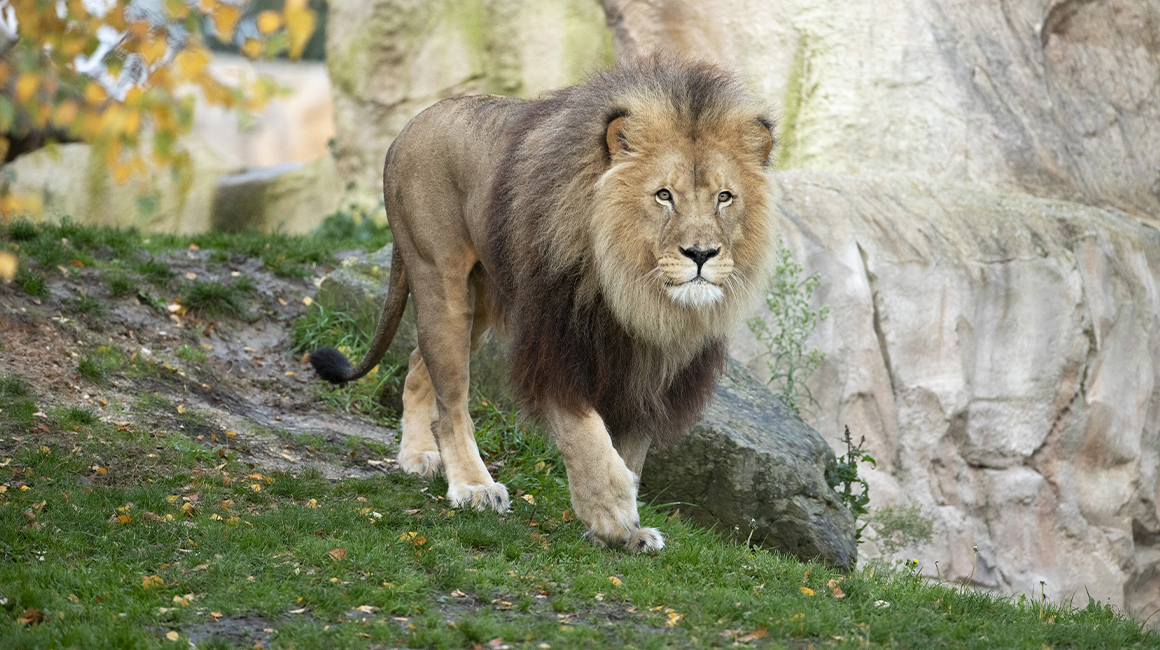
Krüger, the male of the group at Beauval
Everything you need to know about lions
Why do we celebrate World Lion Day?
World Lion Day, celebrated every 10 August, raises public awareness of the threats facing this species and highlights the actions being taken to ensure its conservation.
Why is the lion under threat?
Lions face several threats linked to human activities: the destruction and fragmentation of their habitat, conflicts with livestock farmers, a decline in prey populations, poaching, trophy hunting and the illegal trade in certain parts of their bodies.
How does Beauval Nature contribute to the protection of lions?
Beauval Nature supports several conservation programmes, notably the one run by Panthera in Senegal, to protect wild lion populations and their habitat.