Wetlands: Beauval joins the European ‘Wetlands for Life’ campaign
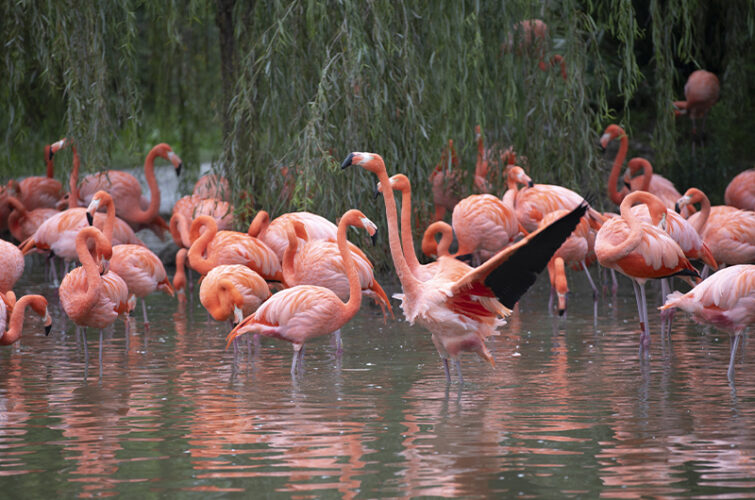
Ponds, marshes, mangroves, rivers, peatlands, estuaries… Wetlands come in many different forms and are home to exceptional biodiversity. They also play a vital role in the water cycle, carbon storage and climate change adaptation. Yet today, they are among the most threatened ecosystems in the world.
To raise awareness of their importance and encourage their protection, restoration and creation, the European Association of Zoos and Aquaria (EAZA) has launched its “Wetlands for Life” campaign for 2026 and 2027.
ZooParc de Beauval and Beauval Nature are joining this initiative by highlighting several projects taking place in France, Senegal, the Republic of the Congo and here at Beauval.
Find out more about the ‘Wetlands for Life’ campaign
‘Wetlands for Life’: a campaign to protect wetlands
Led by EAZA, the campaign brings together zoos, aquariums, organisations and members of the public around a single goal: to preserve wetlands and the diversity of species that depend on them.
It is based on four key areas:
- raising awareness of the ecological and climate importance of these habitats
- supporting conservation projects selected by EAZA
- encouraging the restoration of wetlands and better water management
- advancing knowledge through research and citizen science
At Beauval and in the field, these objectives are being turned into concrete action.
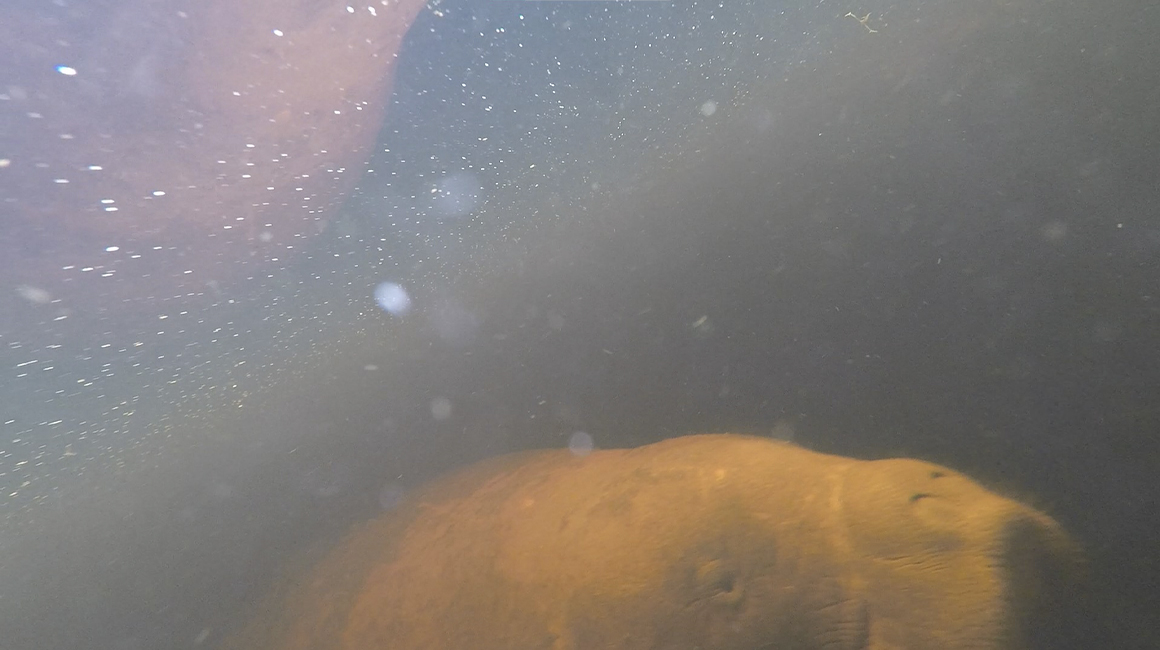
Observation of the African manatee by ©HELP Congo
HELP Congo: learning more about manatees in the Conkouati Lagoon
In the Republic of the Congo, the Conkouati Lagoon forms a vast wetland connected to river branches and bordered by seagrass beds. This mosaic of habitats is home, in particular, to the African manatee, a species that has yet to be fully studied and is classified as ‘Vulnerable’ on the IUCN (International Union for Conservation of Nature) Red List.
This study, carried out in collaboration with the HELP Congo association, aims to gain a better understanding of the manatees’ presence and use of these habitats. The research is taking place in the lagoon, amongst the seagrass beds and at the mouths of the N’Gongo and Louvandzy rivers.
As the waters are often murky, the teams are combining several complementary methods. Water samples are taken to search for environmental DNA left by the manatees, whilst submerged hydrophones record their vocalisations and the sounds they make whilst grazing on vegetation. Traces of feeding on the seagrass beds and direct observations supplement this data. This research has confirmed the presence of several individuals within the area protected by HELP Congo.
By improving our understanding of the distribution, behaviour and habitats of the African manatee, this study helps to better guide conservation efforts for the species and the wetland on which it depends.
Beauval Nature will also be presenting the results of this study at its autumn conference on 16 September 2026 at 7.00 pm, attended by Lucas Dubus, a PhD student whose thesis focuses on the African manatee. Please do come along!
Register for the Beauval Nature autumn conference
The common spadefoot toad, a discreet inhabitant of our wetlands
Hard to spot, but impossible to overlook when it comes to conservation! The common spadefoot toad is an extremely rare amphibian in France. Once more widespread, it is now found only in a few areas of Alsace, Lorraine and the Centre-Val de Loire region. In the Loiret department, one of the region’s last two populations numbers around one hundred adults and is the largest known population in France.
Classified as “Critically Endangered” in Centre-Val de Loire, the common spadefoot toad is particularly threatened by the drying up and disappearance of wetlands, pollution, habitat fragmentation and the introduction of invasive alien species. Its population has declined by 80% over the past 50 years.
To help protect the species, Beauval Nature leads the regional implementation of its national action plan, under the supervision of DREAL Centre-Val de Loire.
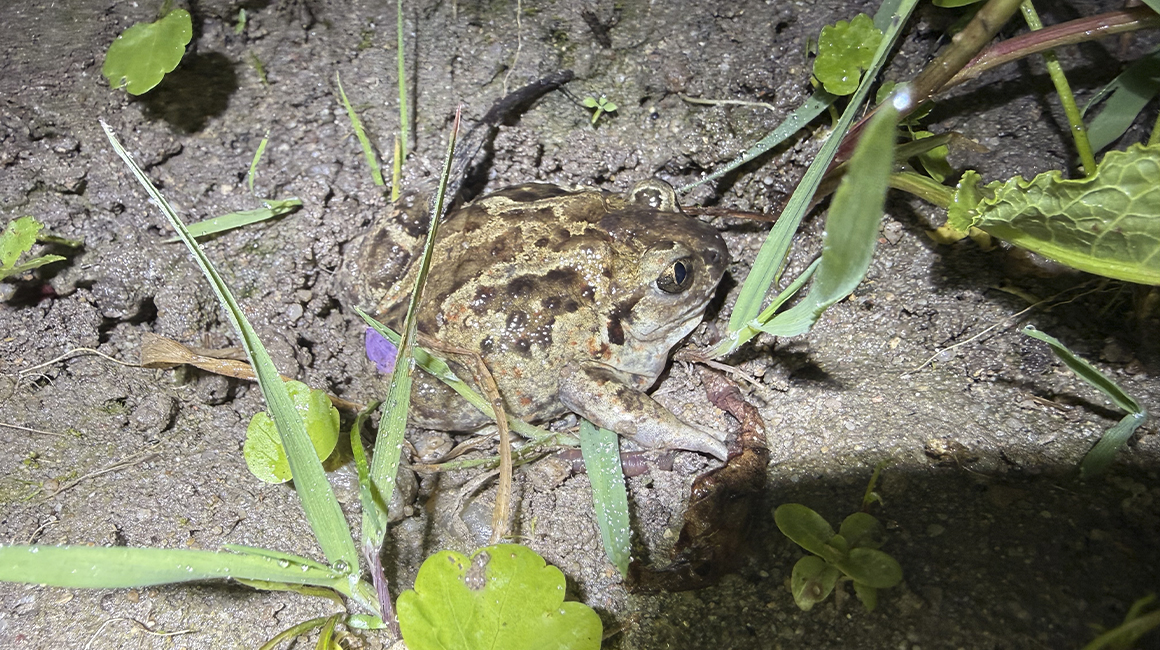
Common spadefoot toad in a wetland
In the Loiret department, four wildlife crossings installed beneath the RD19 road in Lailly-en-Val now make it easier for amphibians to move safely between ponds. Around thirty species are already using these corridors, and no road deaths have been recorded since they came into use.
Teams are also studying the toads’ movements on land and their overwintering sites. Since 2024, a specially trained dog has been learning to recognise their scent in order to detect individuals buried underground. Hydrophones, environmental DNA analysis, tadpole monitoring and pond restoration complete the programme. In 2026, 18 egg clutches were recorded, compared with just four the previous year.
Protecting the common spadefoot toad helps preserve an entire ecosystem: conservation measures for the species also benefit newts, frogs, insects and birds living around the ponds.
Find out more about the programme
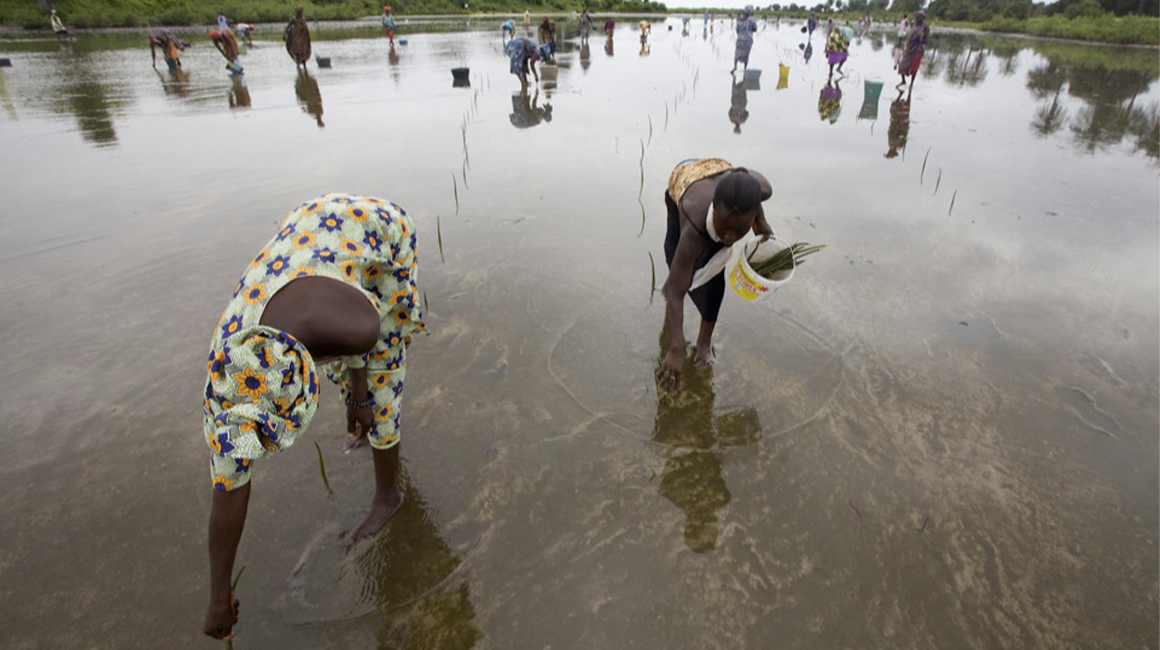
Mangroves replanted in Senegal ©Océanium
Restoring mangroves in Senegal to protect an entire ecosystem
From the Loiret marshes to the Senegalese coast, wetlands play a vital role everywhere. In the Sine Saloum delta and the Casamance River estuary, mangroves form a unique ecosystem, straddling land and sea.
Comprising mainly mangrove trees, they provide a habitat, food source and breeding ground for a multitude of species. They also limit coastal erosion, break the force of the waves, filter the water and store carbon.
These habitats also support local activities, notably fishing, oyster harvesting and rice farming. However, they remain vulnerable to droughts, rising salinity, pollution and developments that disrupt water flow.
Since 2017, Beauval Nature has supported the restoration programme led by Océanium Dakar, contributing a total of over €150,000. Since 2006, more than 100 million mangrove propagules have been planted by hand, with the participation of over 150,000 people from 450 villages.
The restored areas are mapped and monitored over time. Fish, birds, caimans, manatees and oysters are gradually recolonising the affected areas. Mangrove restoration therefore benefits both biodiversity and local communities.
Find out more about the programme
The European mink, a mammal closely connected to aquatic habitats
Another iconic wetland species is the European mink. This small semi-aquatic mammal is found in rivers, marshes, wet meadows and alluvial forests. Once found across much of Europe, the European mink has disappeared from many areas. In France, it now survives only in a few areas in the west of the country. The destruction and degradation of wetlands, road collisions, pollution and the presence of the American mink are among the main threats facing the species.
Beauval Nature supports the conservation programme coordinated by the League for the Protection of Birds. Radio tracking helps us to better understand the species’ movements and needs, whilst other initiatives aim to restore, manage and safeguard its habitat.
The protection of the European mink depends on functional and interconnected networks of wetlands. A pond, a river branch or a floodplain cannot fulfil their role to the full if they remain isolated.
Find out more about the programme
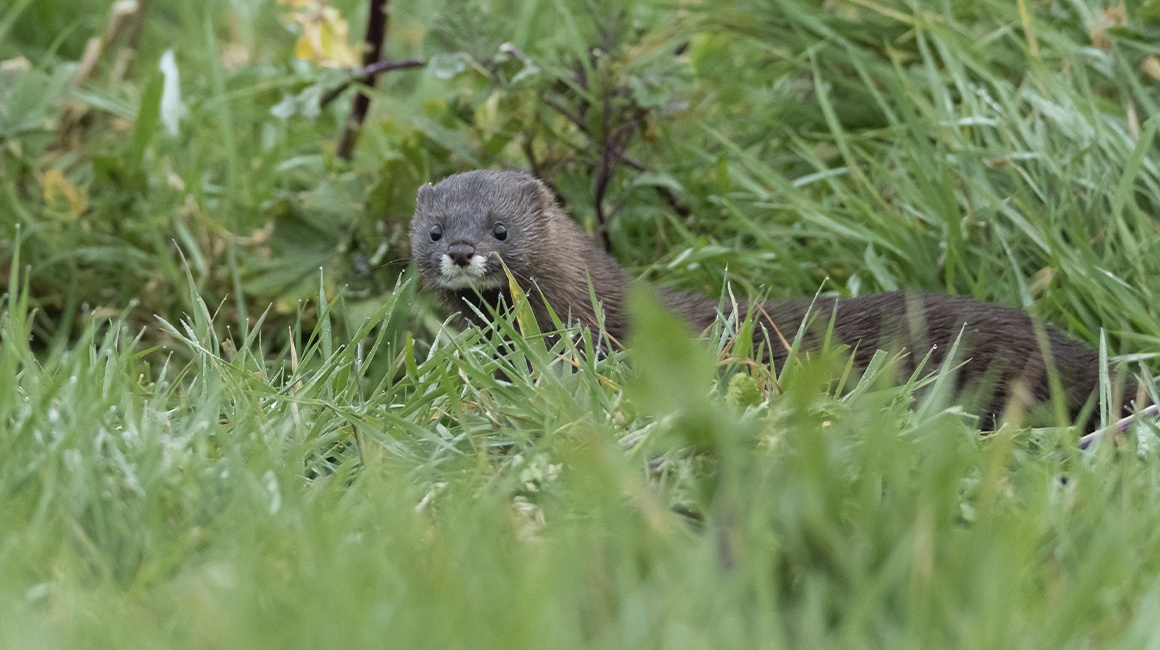
The European mink frequents wetlands ©Romain Beaubert
At Beauval, the flamingos tell us about wetlands
As ambassadors for the ‘Wetlands for Life’ campaign, the flamingos illustrate the richness and fragility of wetlands. At Beauval, the Caribbean flamingos roam the South American Aviary, alongside numerous other birds associated with aquatic habitats.
This vast space allows visitors to observe the flamingos’ behaviour and gain a better understanding of their dependence on wetlands. In the wild, these birds inhabit lagoons, salt marshes, shallow lakes and coastal areas, where they find food and the conditions necessary for breeding.
The creation of this area has led Beauval to rethink its water management. A constructed wetland recycles water from the ponds, filtering it naturally through a series of lagoons planted with suitable vegetation, before returning it to the facility. Some of the filtered water is also used to water the Grande Volière.
Beyond its filtration function, the system has become a habitat for local wildlife. Frogs, toads, newts, ducks, moorhens and swallows now frequent its lagoons.
Discover the Great South American Aviary
Protecting wetlands: it’s your turn to take action!
Everyone can contribute to the ‘Wetlands for Life’ campaign:
- support conservation projects selected by EAZA
- organise an awareness-raising activity focusing on wetlands
- get involved in restoring a pond, river or another wetland near you
- adopt simple everyday measures to save water
- contribute to wetland monitoring through iNaturalist, at Beauval or anywhere in the world
You can also directly support the conservation and research programmes run by Beauval Nature.