Conserving endangered species: a daily commitment at ZooParc de Beauval
According to the International Union for Conservation of Nature (IUCN), more than 48,600 species are currently threatened with extinction – nearly a third of all assessed species. And this figure includes animal species, but not only those. Faced with the urgency of this situation, the ZooParc de Beauval and its association Beauval Nature are taking action…
To mark World Endangered Species Day, we invite you to discover each of their daily initiatives.
What exactly is a threatened species?
In practical terms, what indicates that certain species are more at risk than others? It is the work carried out by the International Union for Conservation of Nature (IUCN), which established the Red List of Threatened Species in 1964. This essential tool has become a benchmark indicator, providing information on the conservation status of animal and plant species worldwide.
Each species or subspecies is assigned a conservation status based on three main criteria: population size, rate of decline and the size of its geographical range.
There are nine different categories:
- Extinct (EX), when the latest surveys across the species’ entire historical range have failed to record any individuals.
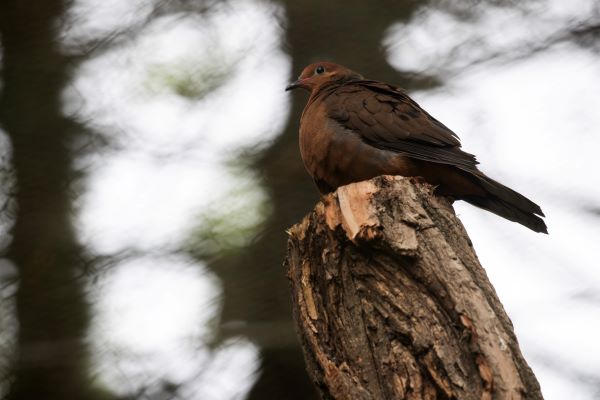
- Extinct in the Wild (EW), when the latest research shows that the species survives only outside its historical range. This is notably the case for the Socorro dove, which you can see at ZooParc de Beauval in the Parrot Rotunda.
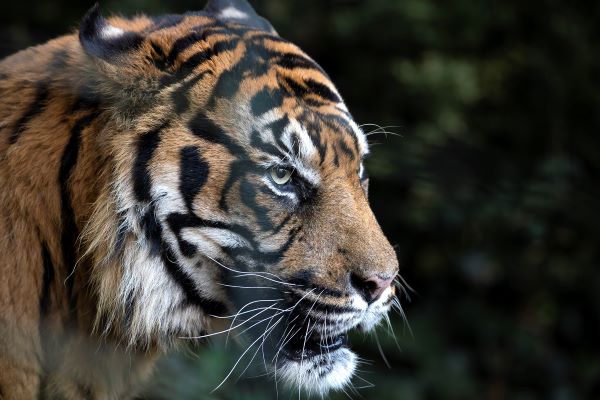
- Critically Endangered (CR), when the species is at very high risk of extinction, for example if its population has declined by at least 90% over the last three generations. This is the case, for example, with the Bornean orangutan or the Sumatran tiger.
- Endangered (EN), when the species is at high risk of extinction, for example if its populations have fallen by at least 70% over the last three generations. Examples include the golden monkey and the red panda.
- Vulnerable (VU), if the species faces a high risk of extinction in the medium term, due to habitat fragmentation and a decline of at least 50% in populations over recent generations. Examples of such species include the giant panda and the Komodo dragon.
- Near Threatened (NT), when the species is at risk of threats if current pressures continue. This is the case for the bearded vulture and the southern white rhinoceros.
- Least Concern (LC), where the species is not at risk of extinction in the short term, such as the common wombat or the California sea lion.
- Data Deficient (DD), where there is insufficient information available on the species to assess its risk of extinction.
- Not Evaluated (NE), for species that have not yet been assessed.
This status is also indicated on each of the educational panels presenting all the species at the ZooParc, a key first step in raising public awareness of the threats they face. But in practical terms, what actions are being taken by the ZooParc de Beauval and Beauval Nature to contribute to the conservation of these threatened species?
Ex situ conservation, a vital mission at the ZooParc
Conservation is based on two complementary approaches: on the one hand, ex situ conservation, which takes place outside the animals’ natural habitat, notably at ZooParc de Beauval.
It is within this framework that we showcase 800 different animal species: every resident at ZooParc becomes a full ambassador for the conservation of endangered species, enabling us to raise public awareness of the threats facing their wild counterparts. Captivated by the beauty of the animal world, every visitor has the opportunity to discover the dangers threatening ecosystems and the actions being taken to protect them.
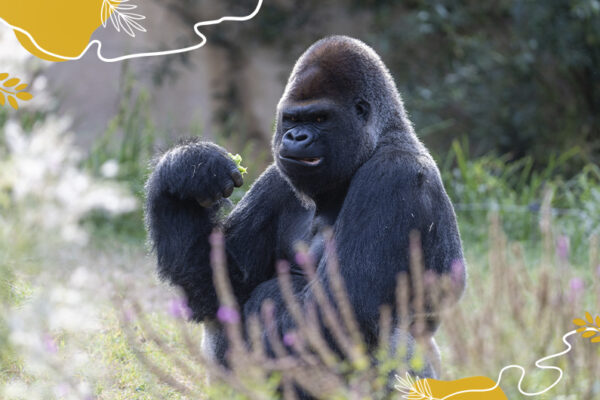
Moreover, certain species with particularly vulnerable populations benefit from EAZA’s ex situ programmes, designed to facilitate the management of these animals across Europe. Indeed, no animal transfer is carried out at random: the aim is to promote genetic mixing, to avoid inbreeding and maintain healthy populations. Some individuals born at ZooParc can then be reintroduced into their natural habitats: western lowland gorillas, bearded vultures, Javan langurs, Andean condors and even snails from the Desertas Islands… Because all species, from the smallest to the largest, from the most legendary to the least known, deserve to be protected. This commitment, upheld daily by the teams at the ZooParc de Beauval, is also shared by those at the Beauval Nature association, who work to support in situ conservation initiatives across the globe.
In situ conservation, at the heart of Beauval Nature’s activities
Ex situ conservation is closely linked to in situ initiatives, which take the form of actions carried out within the species’ natural habitats. Founded in 2009, the Beauval Nature association supports a wide range of in situ projects. Among the most notable are:
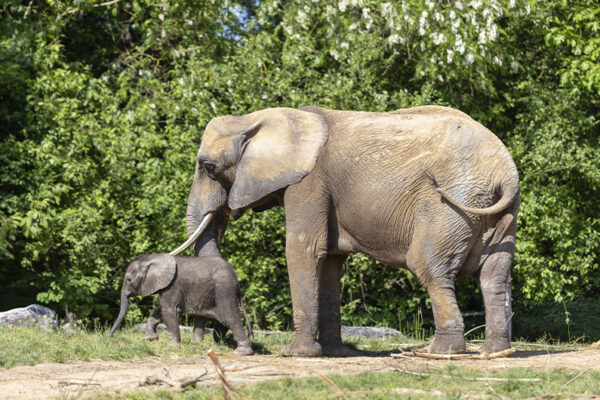
- The HELP Congo programme, which works to protect animals living within Conkouati-Douli National Park: elephants, gorillas, chimpanzees, manatees…
- The Beauval Nature – Françoise Delord Wildlife Rescue Centre, considered the largest in the Centre-Val de Loire region and one of the largest in France, whose mission is to take in local wildlife in distress with thewith the sole aim of rehabilitating them and releasing them back into their natural habitat.
- The ElefantAsia project, led by Dr Gilles Maurer, a researcher at Beauval Nature, which aims to better understand the coexistence between Asian elephants and local communities.
- The regional action plan for the brown pelobate, led by Beauval Nature, aims to study the populations of this small amphibian classified as “critically endangered” in order to better protect it.
This is just a brief sample of the initiatives supported by Beauval Nature: across every continent, the organisation is committed to helping preserve a wide variety of species and ecosystems, all of which deserve our attention.
Because ultimately, in-situ and ex-situ conservation are one and the same: this is known as the “One Plan Approach”, a method aimed at bringing together all conservation stakeholders around a single strategy. Wild populations and those in parks are therefore no longer managed separately, but are regarded as a single living heritage to be preserved.
Find out more about Beauval Nature
Plants: another part of the living world to be preserved
The commitments of the ZooParc de Beauval and Beauval Nature do not stop at wildlife: flora, which is just as threatened, is also the focus of several conservation initiatives.
In the paths of the ZooParc, you can see certain varieties of plants and trees that are endangered worldwide: this is particularly true of the giant sequoia, this iconic tree planted in the 19th century near what would become, a century later, the Tropical Bird House. Its species, found in the United States, is classified as “Endangered” on the IUCN Red List, partly due to the numerous fires ravaging the forests.
Furthermore, Beauval Nature is committed to plant conservation through various programmes designed to preserve or restore certain ecosystems. One of these is specifically dedicated to Nepenthes, a threatened species of carnivorous plant found in Indonesia.
And what can you do?
Visiting the ZooParc de Beauval is already a way of taking part in this collective initiative to help preserve endangered species. Zoos are in fact the third-largest source of funding for conservation, largely thanks to the funds raised through your visits: every year, ZooParc de Beauval donates 1% of its turnover to Beauval Nature.
But if you’d like to go further and support our various initiatives even more, you can choose to make a donation to our association, Beauval Nature. This donation can also take the form of sponsoring an animal or a group of animals at the ZooParc: an opportunity to forge a unique bond with your favourite species, whilst getting involved in biodiversity conservation.